Checking out the Benefits of Utilizing Aluminum Castings in Modern Production
Aluminum castings have come to be progressively appropriate in contemporary production due to their unique homes. The light-weight nature of aluminum enables a lot more detailed designs, particularly beneficial in markets such as automotive and aerospace. Its rust resistance prolongs item lifespan, while cost-effectiveness improves production efficiency. These benefits welcome a closer evaluation of aluminum's role in numerous applications and its influence on style versatility and sustainability in manufacturing procedures.
Light-weight Qualities and Their Impact on Design
The lightweight properties of aluminum castings significantly influence contemporary style methods throughout numerous industries. Designers and engineers commonly prioritize weight reduction in their projects to enhance performance and efficiency. This particular permits for the development of intricate forms and designs that would certainly be challenging with larger products. In fields such as automobile and aerospace, where every gram counts, aluminum castings add to sustain performance and reduced emissions. Additionally, the ease of producing processes like die casting allows the manufacturing of complicated geometries, causing cutting-edge item styles. The capacity to balance strength and weight makes aluminum an appealing alternative for makers aiming to enhance product performance while lessening manufacturing prices. As industries remain to develop, the adoption of aluminum castings is most likely to increase, promoting new chances for design imagination and design innovations. On the whole, the light-weight nature of aluminum is a crucial consider forming contemporary production practices.

Superior Corrosion Resistance for Long Life
Lots of products experience from deterioration over time, aluminum castings stand out for their remarkable deterioration resistance, substantially boosting the long life of items. This resistance is mainly associated to the all-natural formation of a protective oxide layer on the aluminum surface area, which hinders further oxidation and avoids rusting. Unlike steel or iron, aluminum does not rust conveniently when exposed to wetness or numerous chemicals, making it an ideal option for applications in rough environments.
On top of that, aluminum castings keep structural honesty over extended durations, minimizing the requirement for constant substitutes. This integrity is important in fields such as automotive, aerospace, and marine, where element failing might cause significant safety issues. By choosing aluminum castings, manufacturers can guarantee that their items not just sustain the examination of time but also execute continually under tough problems, inevitably profiting both manufacturers and end-users with enhanced toughness and fewer upkeep requirements.
Cost-Effectiveness in Production
Cost-effectiveness in aluminum casting manufacturing is driven by numerous essential elements. Lowered material waste adds to reduce manufacturing expenses, while quick manufacturing times improve total effectiveness. These aspects collectively position aluminum castings as a viable choice for suppliers looking for to enhance their procedures.
Lowered Product Waste
Decreasing material waste in aluminum casting not just improves sustainability yet also noticeably lowers production expenses. Reliable use basic materials is important in contemporary manufacturing, where minimizing waste can cause substantial savings. Aluminum casting procedures allow for intricate layouts with accurate requirements, which assists to maximize material usage and minimize excess. Methods such as near-net shape casting additionally limit the quantity of scrap produced throughout manufacturing. Additionally, the recyclability of aluminum adds to a decrease in waste, as leftover materials can be thawed and recycled in future applications. By adopting aluminum casting methods, makers can accomplish not only a more ecologically pleasant operation however also a streamlined manufacturing procedure that takes full advantage of resource efficiency and minimizes overall material prices.
Lower Manufacturing Expenses
Fast Production Times
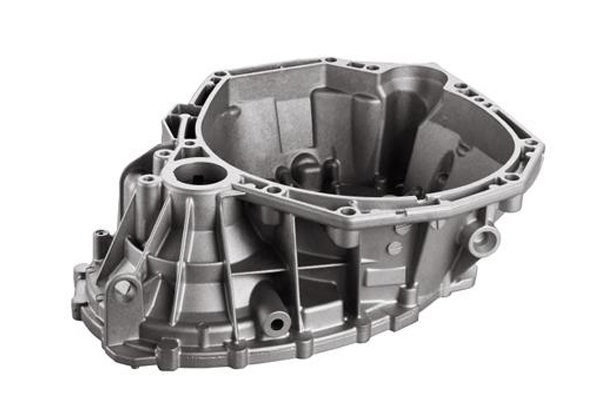
While lots of factors add to the general effectiveness of manufacturing procedures, quick production times stand out as a notable advantage of aluminum casting. This method permits for the quick creation of elements, substantially lowering lead times. The capability to generate complex forms with high accuracy implies that suppliers can swiftly react to market needs and scale production as needed. In addition, aluminum's positive thermal homes enable much faster cooling rates, better quickening the overall casting process. Much shorter manufacturing cycles lead to enhanced inventory turn over and decreased operational prices. By reducing hold-ups and enhancing throughput, aluminum casting supports an extra agile production atmosphere, eventually adding to raised competitiveness in the market.
Style Adaptability and Complex Geometries
Aluminum castings provide amazing layout flexibility, making it possible for the creation of detailed geometries that would certainly be testing with other materials. This capability allows producers to produce lightweight structural solutions that enhance overall performance and performance. In addition, the rapid prototyping capacity of aluminum castings accelerates the growth process, assisting in technology in style.
Intricate Design Capabilities
Lightweight Structural Solutions
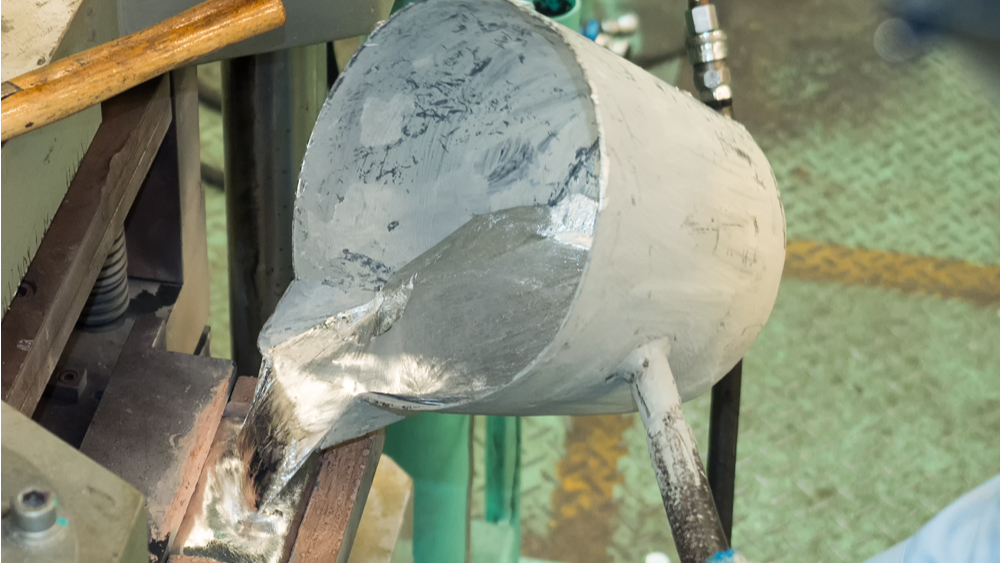
Manufacturers significantly leverage aluminum castings to supply lightweight structural services that do not compromise on strength or durability. The integral residential properties of aluminum, including its reduced thickness and high strength-to-weight ratio, make it an excellent option for applications where weight decrease is essential. This light-weight particular facilitates style adaptability, enabling designers to develop intricate geometries that traditional products might not accommodate. In addition, aluminum castings can be customized to particular performance demands, boosting capability without including too much weight. This adaptability makes it possible for the production of detailed parts for various markets, such as aerospace and automotive, where effectiveness and efficiency are paramount. In general, aluminum castings play a crucial duty beforehand contemporary production through ingenious structural styles.
Quick Prototyping Prospective
Rapid prototyping has actually become a game-changer in modern-day manufacturing, especially when it pertains to design flexibility and the capability to create complex geometries. Aluminum castings promote this innovation, permitting designers to produce complex styles that would be difficult or difficult with conventional techniques. The light-weight nature of aluminum enhances the simplicity of control during the prototyping stage, enabling quick models and alterations. The material's exceptional thermal conductivity and corrosion resistance contribute to the sturdiness of prototypes, making them suitable for screening in real-world conditions. As a result, producers can increase product advancement cycles, reduce expenses, and improve technology. Ultimately, the integration of aluminum castings right into fast prototyping processes sustains the production of innovative, high-performance components customized to certain applications.
Enhanced Thermal and Electric Conductivity
While aluminum castings are renowned for their light-weight buildings, their boosted thermal and electric conductivity additionally plays an important duty in contemporary production. This characteristic makes aluminum an excellent option for applications requiring effective warmth dissipation and electric efficiency. For example, elements in electronic devices gain from aluminum's capacity to properly move heat, therefore decreasing the threat of overheating and lengthening gadget life-span. In auto and aerospace sectors, aluminum castings add to enhanced thermal administration systems, promoting energy efficiency.
Additionally, the high electric conductivity of aluminum enables its extensive use in electrical elements, such as ports and bus bars. This function not just minimizes power loss during transmission however additionally improves total performance. The mix of these residential properties placements aluminum castings as a preferred product in countless applications, driving technology and performance in producing procedures across numerous fields.
Sustainability and Ecological Advantages
Aluminum castings supply considerable sustainability and ecological benefits, aligning with the growing emphasis on eco-friendly manufacturing methods. One of the main advantages of aluminum is its recyclability; approximately 95% of aluminum can be recycled without losing high quality. This procedure takes in just a fraction of the energy required for main production, substantially reducing greenhouse gas discharges.
Furthermore, aluminum is lightweight, which adds to power performance in transportation and product use. Its longevity and resistance to rust extend the life-span of products, reducing waste and the need for constant replacements. Furthermore, using aluminum castings can result in extra reliable manufacturing processes, as they commonly require less power and product contrasted to typical approaches.
Applications Across Different Industries
As my explanation markets significantly seek functional materials for innovative applications, aluminum castings have become a popular choice throughout different industries. In the automotive market, lightweight aluminum castings add to enhanced fuel effectiveness and efficiency, while in aerospace, they give toughness without jeopardizing weight, more helpful hints essential for airplane layout. The customer electronic devices sector take advantage of aluminum's outstanding thermal conductivity, making it optimal for warmth sinks and enclosures. Additionally, the building and construction market uses aluminum castings for home window structures, roof elements, and structural components due to their sturdiness and resistance to corrosion. The clinical devices sector counts on aluminum castings for creating precise, light-weight components that fulfill rigorous health standards. These diverse applications highlight the adaptability of aluminum castings, making them a recommended material for suppliers aiming to innovate and improve item performance throughout numerous fields.
Regularly Asked Inquiries
Just How Are Aluminum Castings Produced in the Manufacturing Refine?
Aluminum castings are produced via a process entailing melting aluminum, putting it right into molds, and enabling it to solidify. Aluminum Casting. This technique enables the development of complicated shapes and specific dimensions called for in various applications
What Precaution Are Needed When Collaborating With Aluminum Castings?
When collaborating with aluminum castings, vital precaution include using safety equipment, making sure correct ventilation, applying fire security protocols, and keeping tools to stop mishaps, thus guarding workers against prospective risks connected with the casting procedure.
Can Aluminum Castings Be Recycled, and Exactly how Is This Done?
Aluminum castings can undoubtedly be reused effectively. The process involves accumulating scrap aluminum, melting it down in heating systems, and afterwards reforming it into new products, consequently conserving sources and decreasing ecological influence in production.
What Are the Common Issues in Aluminum Castings and How to Stay clear of Them?
Usual flaws in aluminum castings consist of porosity, contraction, and surface flaws. To avoid these issues, correct mold style, temperature control, and material choice are vital, making sure perfect casting conditions and reducing the likelihood of defects.
How Do Aluminum Castings Contrast to Other Materials in Terms of Toughness?
Aluminum castings show desirable strength-to-weight ratios contrasted to several products - Aluminum Casting. While usually much less solid than steel, they outshine plastics and use adequate stamina for different applications, making them a versatile selection in producing processes